
My idea of good food was probably decided long before I knew I had one.
As a child, I did not think about whether a dish was authentic, well-balanced, or technically difficult to prepare. I simply knew what my family ordered, what we ate on weekends at our favorite brunch spots, and which foods meant we were having a proper meal.
It is only later that we start giving names to these preferences.
We call them taste. But often, they are memories that have been repeated so many times they begin to feel like instinct.
I think about this whenever I eat with older family members. The conversation around food is rarely just about whether something tastes good. There is usually a comparison to something they ate years ago. A sauce is not quite right. A familiar dish is missing something. Another version reminds them of a particular neighbourhood or a time when ingredients were prepared differently.
Their definition of good food comes from somewhere.
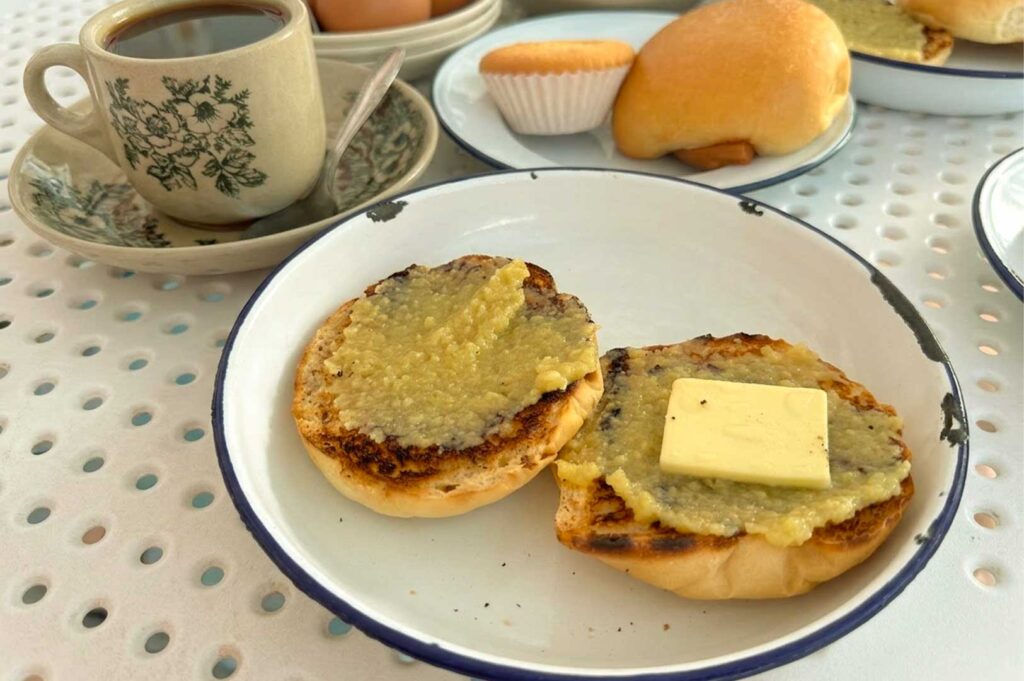
That became clearer to me at Chin Mee Chin Confectionery in Katong, with its traditional kaya bun. It is the kind of food that does not need much explanation to someone who grew up with similar flavours. But for another generation, the same bun can be an introduction to something that has been familiar to Singaporeans for decades.
This is how food gets passed down. Not always through written recipes, but through habits.
A parent orders something for their child. A child grows up associating that dish with family meals. Years later, they bring their own children to the same kind of place and order something familiar again.
The definition of good food quietly moves with them.
It also explains why different generations can disagree about what makes a meal worthwhile. One person might value the taste they remember from childhood. Another might prefer a newer interpretation. Neither necessarily has to be wrong. They are simply carrying different experiences to the table.
As someone who spends time looking at Singapore’s food culture, I find that more interesting than deciding which version is better.
Our food preferences are rarely formed in isolation. They are shaped by the people who fed us, the places we lived around, and the occasions when certain dishes appeared.
Sometimes, what we call “good food” is really shorthand for something much more personal.
It can mean food that reminds us of home. Food that our parents trusted. Food that was shared during celebrations, ordinary Sundays, or quick meals after school.
Eventually, we may develop tastes that are completely different from the people who raised us.
But even then, their influence remains.
Perhaps that is the quiet thing about food traditions. They do not have to remain unchanged to survive. Sometimes, they simply need to be remembered long enough for another generation to decide what good food means to them.