
A question I get asked often is simple: “Where should I eat?”
It usually comes without much context. Sometimes it is from someone planning a weekend meal with friends. Sometimes it is someone visiting Singapore for the first time. Sometimes it is just a person standing outside a restaurant, wondering if they should walk in.
At first, it seems like an easy question to answer. But the more I think about it, the more I realise that recommending food is not just about naming a place.
Every recommendation carries an expectation.
When someone follows a suggestion, they are not only spending money. They are setting aside time, making plans, and creating a memory around that meal. A restaurant visit can become a birthday celebration, a catch-up with an old friend, or simply a rare chance to enjoy a quiet moment after a long week.
That is why telling someone where to eat comes with a certain responsibility.
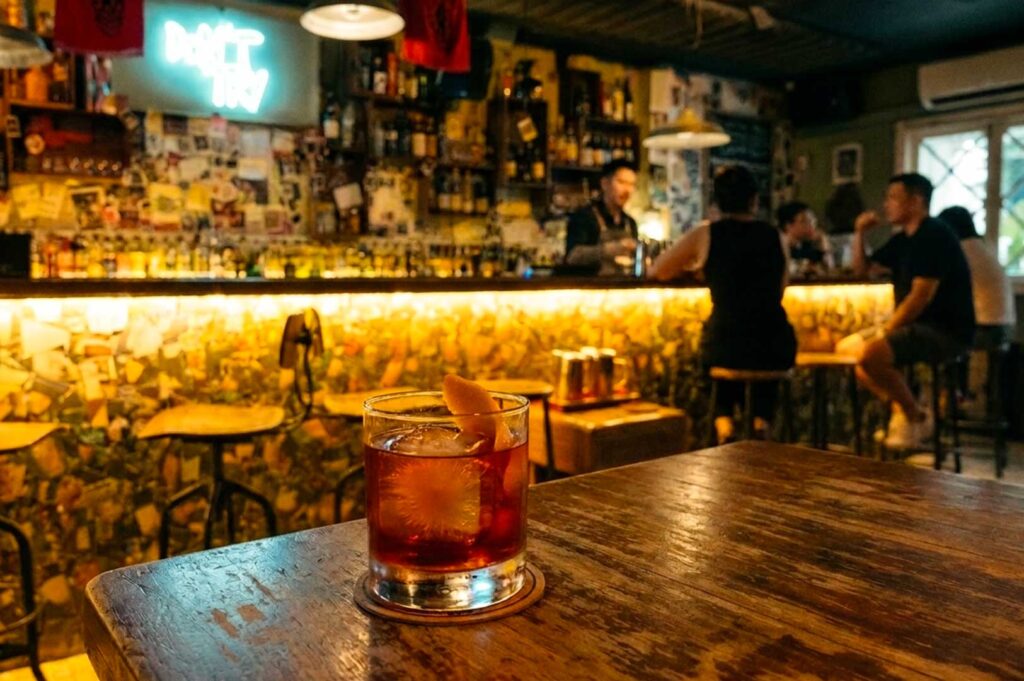
I think about this whenever I visit places like Sago House, where the experience is built around thoughtful drinks and a more personal approach to hospitality. A cocktail is not just about what is in the glass. It is also about the conversation around it, the atmosphere, and the reason someone chose that bar in Singapore to spend their evening.
As food influencers, it can be easy to focus on the visible parts of dining. The beautifully presented dish. The popular opening. The place everyone is talking about. But behind every recommendation is a person trusting our perspective.
That trust is why honesty matters.
Not every restaurant will suit every person. A place that feels exciting to one diner might not match another person’s expectations. A dish that becomes someone’s favourite might remind another person of something they do not enjoy.
The goal is not to convince everyone to like the same things. It is to provide enough context for someone to make their own decision.
The best recommendations are not always the ones that promise the perfect meal. They are the ones that help someone understand what they are walking into.
Because food is personal. It is tied to our moods, our memories, our budgets, and the people sitting across from us.
When someone asks me where they should eat, I no longer see it as a request for a list of places. I see it as someone asking for a little guidance before creating their own experience.
And that is something worth taking seriously.