
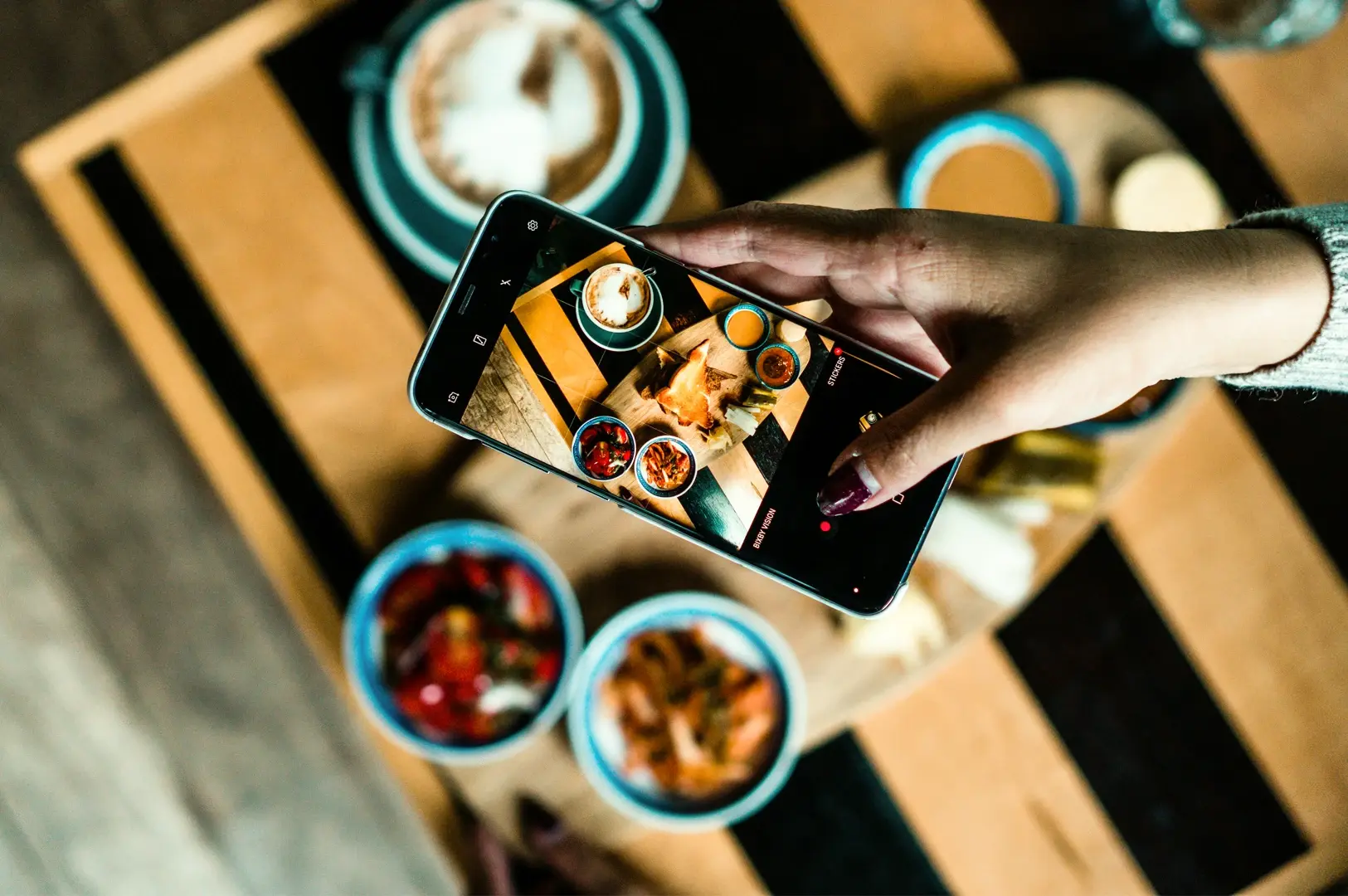
Why Instagram Worthy Restaurants in Singapore Matter
Let’s face it, Instagram has changed the way we eat. In Singapore, where food is practically a national pastime, the rise of “Instagram worthy restaurants Singapore” has sparked debates. Do these places focus too much on looks and compromise on taste? Can they do justice to the authentic flavors of local dishes like nasi lemak or peranakan food? As someone who loves both food and photography, I’ve often asked myself these questions.
After countless meals (and yes, a few disappointing ones), I’ve learned that the best Instagrammable spots don’t just look good, they deliver on taste too. Let me show you how to find them.
Hungry for more hidden gems that are as fun to photograph as they are to taste? Dive into Singapore’s coolest restaurants and see where every foodie is snapping their next shot.
How National Dishes Are Done at Singapore’s Trendy Spots
Chicken Rice
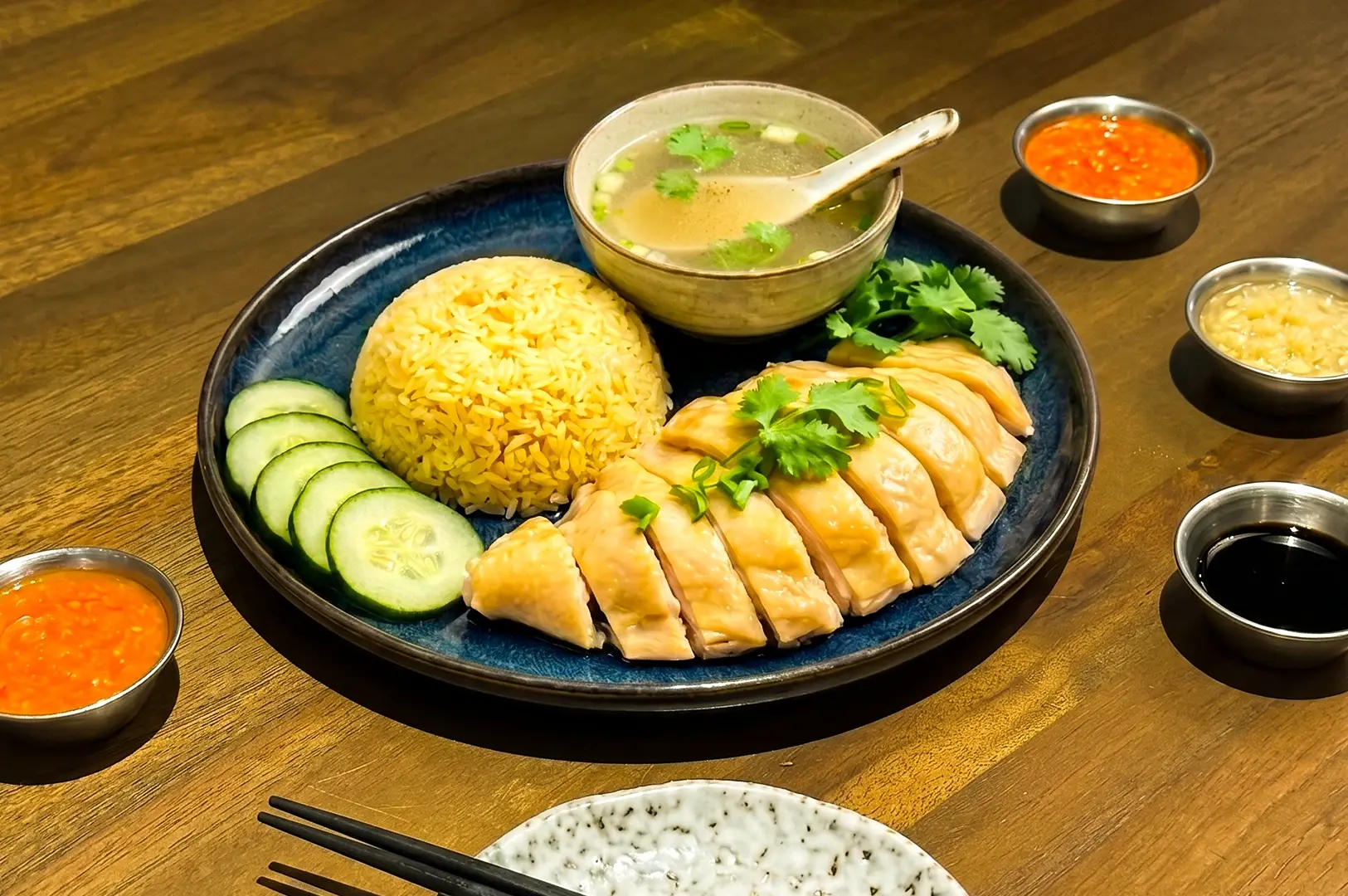
Chicken rice is a beloved Singapore staple, typically served with fragrant rice cooked in chicken broth, garlic, and pandan leaves. The best versions feature tender poached or roast chicken paired with pureed ginger, dark soy sauce, and chili sauce. The key to incredible chicken rice lies in the flavorful rice and perfectly cooked chicken, often accompanied by a fried egg or crispy fried anchovies. The best hawker stalls and restaurants in Singapore honor this tradition while adding a modern twist.
At Fatt Choy Eating House on Haji Lane, the dish gets a modern gastro-bar treatment: clean plating, elevated sides, and a setting that photographs beautifully without stripping away what makes it comforting. It’s a good example of a place that draws you in on looks and keeps you coming back for the food.
Carrot Cake (Chai Tow Kway)
Chai tow kway, or fried carrot cake, literally translates to rice cakes fried with egg and preserved radish. The dish is crispy on the outside and soft inside, often enhanced with pork lard and spring onions.
Modern hawker concepts like XLX Modern Tze Char have started applying more deliberate presentation to classic Singapore dishes, chai tow kway included. The result is a dish that still delivers the familiar crispy exterior and soft radish interior but arrives at the table looking more considered.
Chili Crab
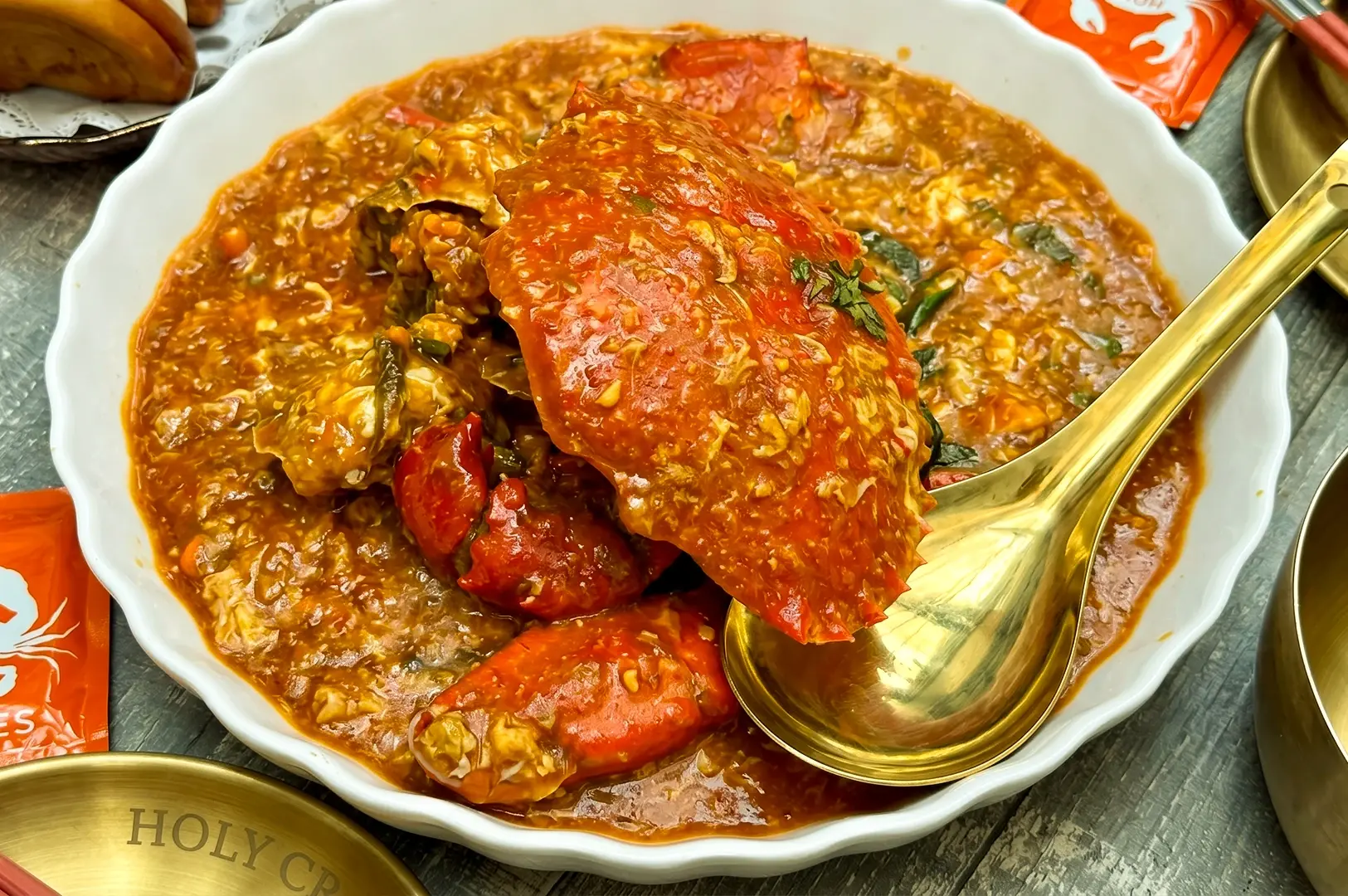
Chili crab is probably Singapore’s most exported food story, known for its rich sauce, sweet crab meat, and mantou buns for dipping.
The Instagrammable twist that’s genuinely earned its hype comes from HolyCrab, now at Arcade @ The Capitol Kempinski near City Hall MRT. Their Green Mumba Crab replaces the familiar red with a striking green sauce made from twelve types of ingredients. It looks bold in photos and delivers real heat and complexity on the plate.
Bak Kut Teh
Bak kut teh, which literally translates to “pork bone tea,” is a soup of pork bones simmered with white pepper, garlic, and herbs. This dish is a staple of Chinese origins and is typically served with rice and fried dough sticks. The broth is pale, peppery, and incredibly tasty. Song Fa Bak Kut Teh at New Bridge Road keeps the recipe traditional but the experience consistent enough that photos of the dish travel well online.
Banana Leaf Rice
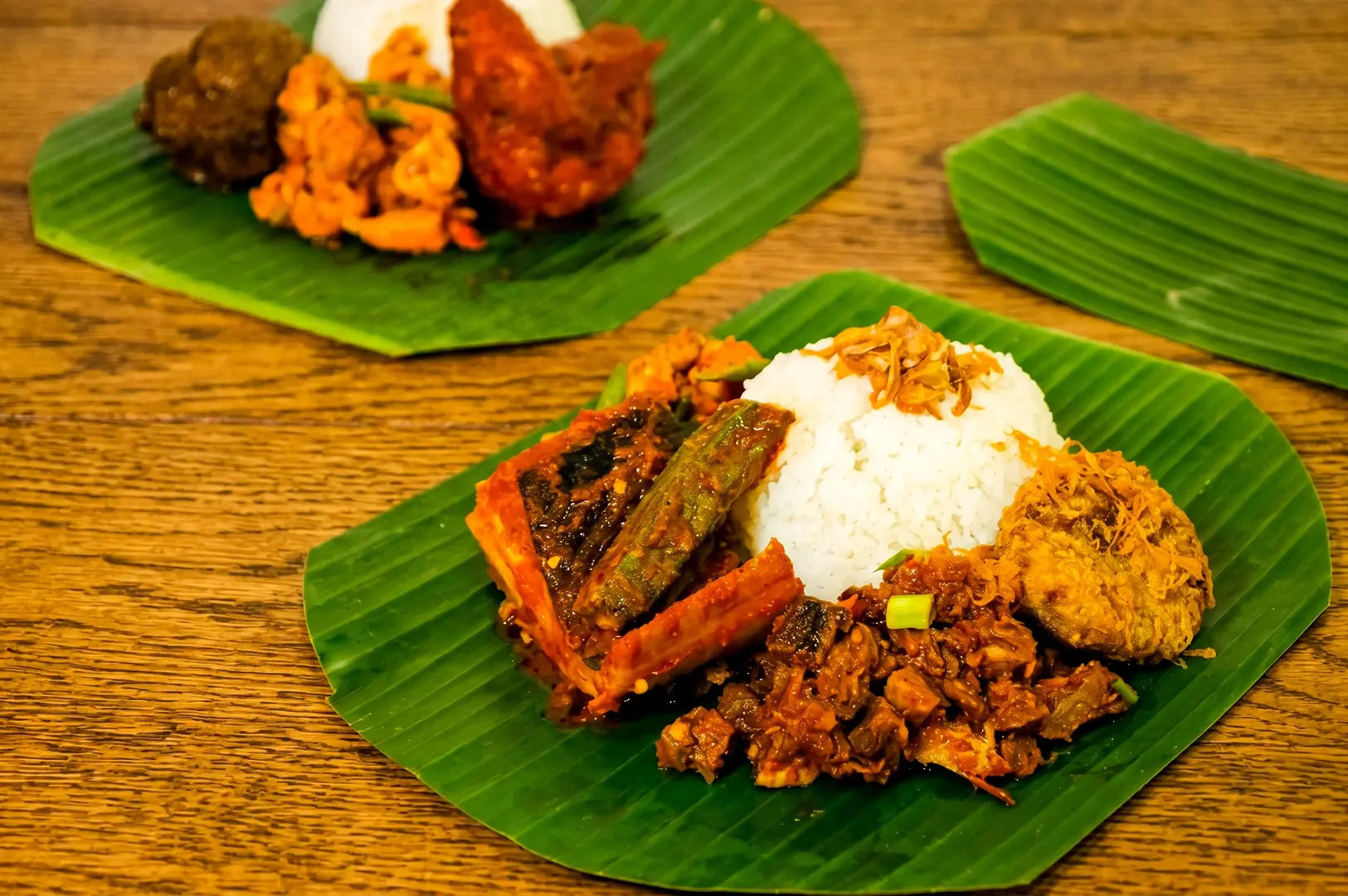
Banana leaf rice is one of those dishes where the presentation does a lot of the work by default. Vibrant Malay food curries, colorful sides, and proteins arranged across a full banana leaf make for naturally arresting photos. Hjh Maimunah Restaurant and Catering, with outlets including Joo Chiat Road, is a Michelin-recognised Halal spot that nails this. The spreads are generous, the colors vivid, and the flavors carry the weight of a genuinely well-cooked Malay feast.
Char Kway Teow
Char kway teow is a popular hawker dish of flat rice noodles stir-fried with egg noodles, prawns, cockles, Chinese sausage, and dark soy sauce. The smoky char and wok hei make it a dish that looks as good as it tastes. Lao Fu Zi Fried Kway Teow is a hawker favourite known for its authentic wok hei that shows up in every photo taken of the dish.
Kaya Toast
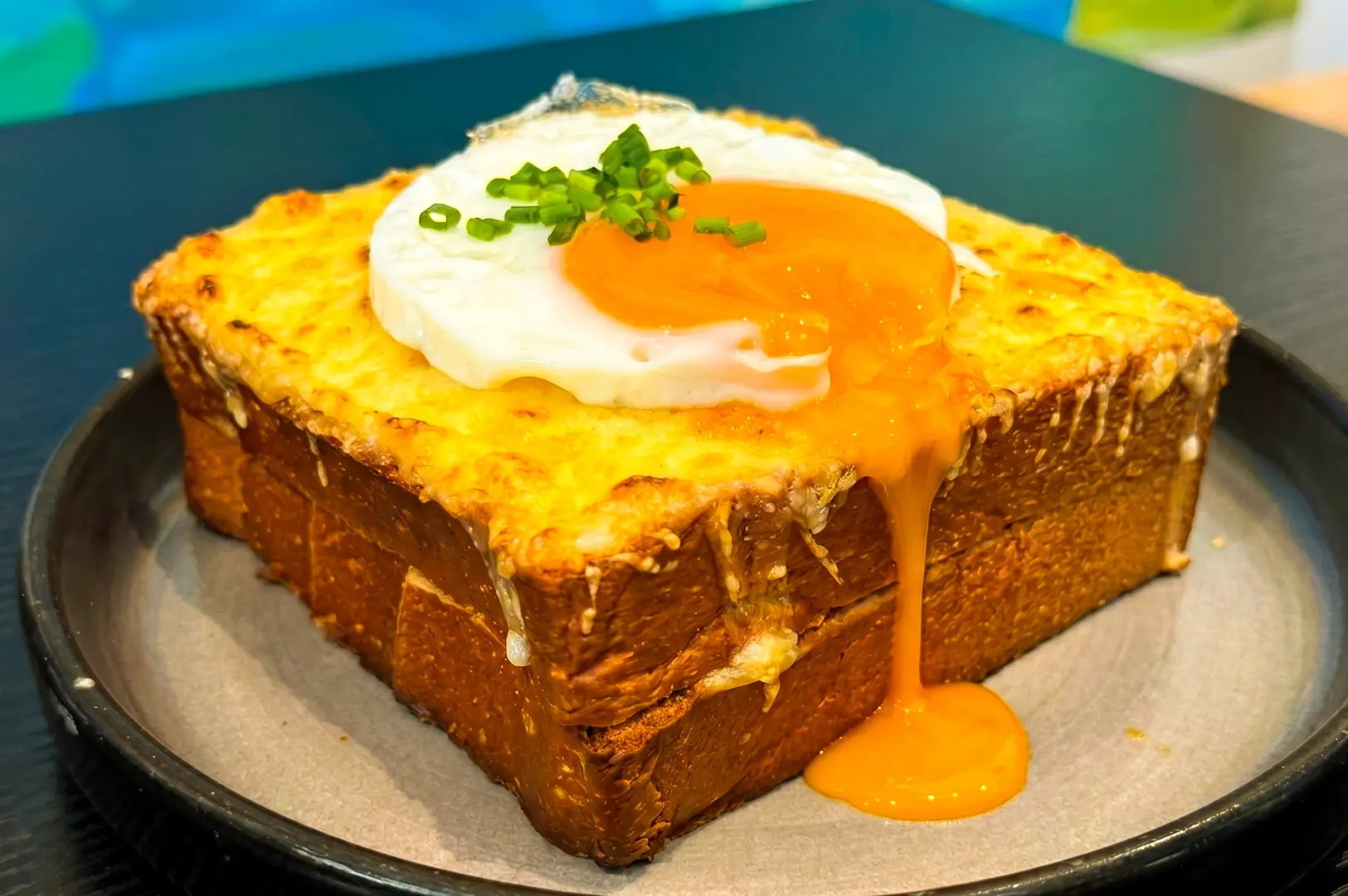
Kaya toast is deceptively simple and one of the harder dishes to elevate without losing what makes it work. Kaya is a spread made from coconut milk, eggs, and palm sugar, typically served on toasted bread with butter.
The best modern version I’ve come across is at Fangko House on South Bridge Road, a chic coffee shop that takes the classic kaya toast and local breakfast set seriously. The presentation is colourful and clean, and the whole thing sits in a setting that photographs naturally.
Bak Chor Mee
Bak chor mee, literally translating to “minced pork noodles,” is a bowl of egg noodles topped with minced pork, pork lard, vinegar, chili, and dark soy sauce, served dry with a side of clear soup. The colorful garnishes and bold textures make it more photogenic than people give it credit for.
For a version that leans into both craft and presentation, Cheeky Bee Hoon in Katong at East Coast Road is worth a visit. The chef’s fine-dining background shows up in the bowl: considered plating, quality ingredients, and a dish that reads clearly in a photo without being staged.
Hokkien Mee
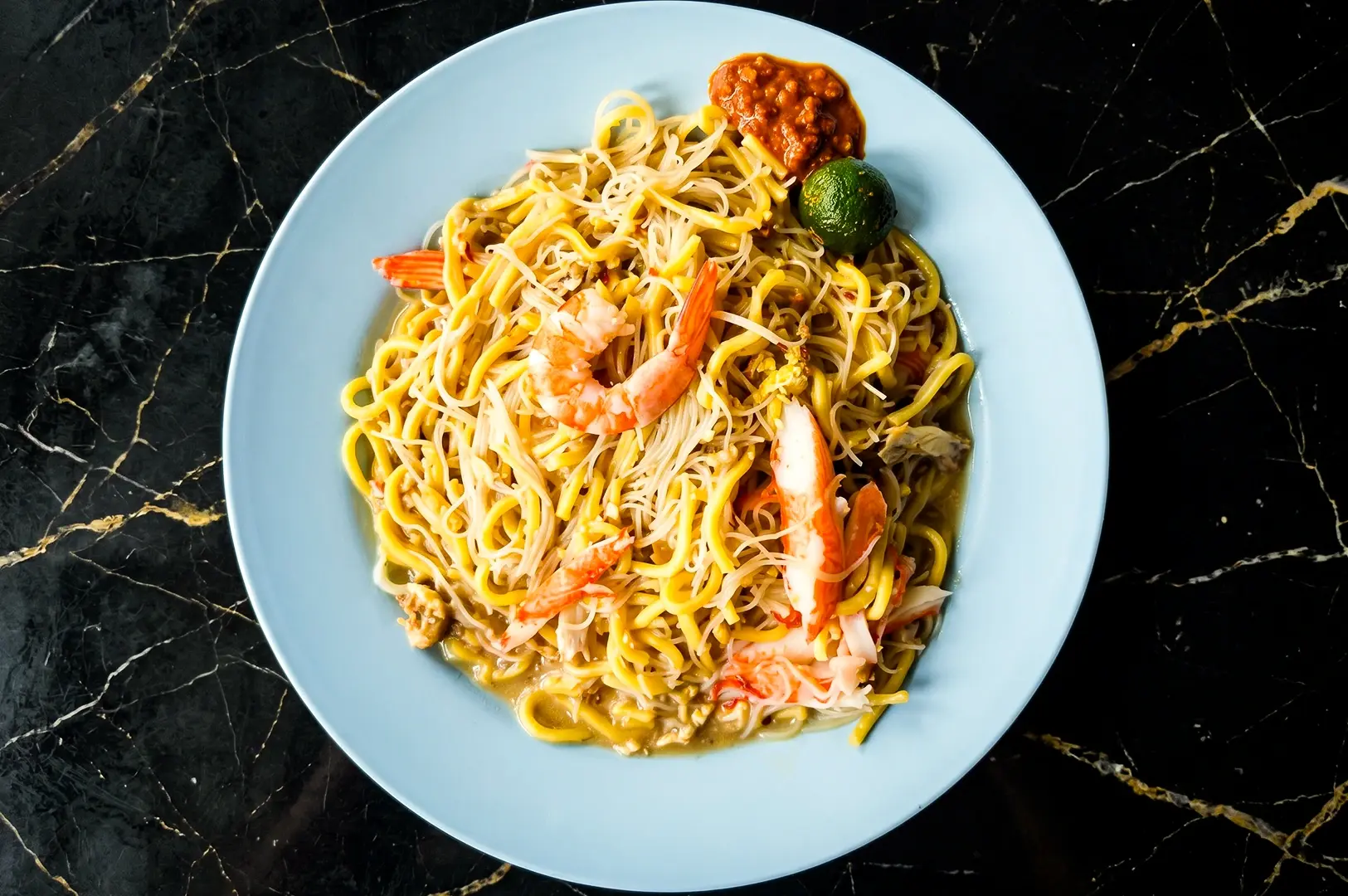
Hokkien mee is a beloved Singaporean dish made with a combination of egg noodles and rice noodles stir-fried with prawns, squid, and sometimes fish paste, all cooked in a rich, flavorful seafood broth.
Many modern hawker stalls and restaurants now emphasize artisanal bowls, cleaner plating, and a more controlled char to enhance the dish’s Instagram worthy presentation without compromising its authentic, highly addictive taste. Whether enjoyed at a bustling hawker centre or a trendy eatery near the closest MRT station, hokkien mee remains a must-try for lovers of Southeast Asia’s vibrant food scene.
Ice Kacang
Ice kacang is built for visual content. Finely shaved ice, red beans, grass jelly, creamed corn, and layers of colored syrup create natural rainbow stacking that photographs well from almost any angle.
Modern dessert cafés and kopitiams across Singapore have leaned into this, adding artisanal toppings, condensed milk drizzles, and themed seasonal versions. The key is balance: if the beans, jelly, and syrup are good, the photo and the dessert both work.
Bee Hoon
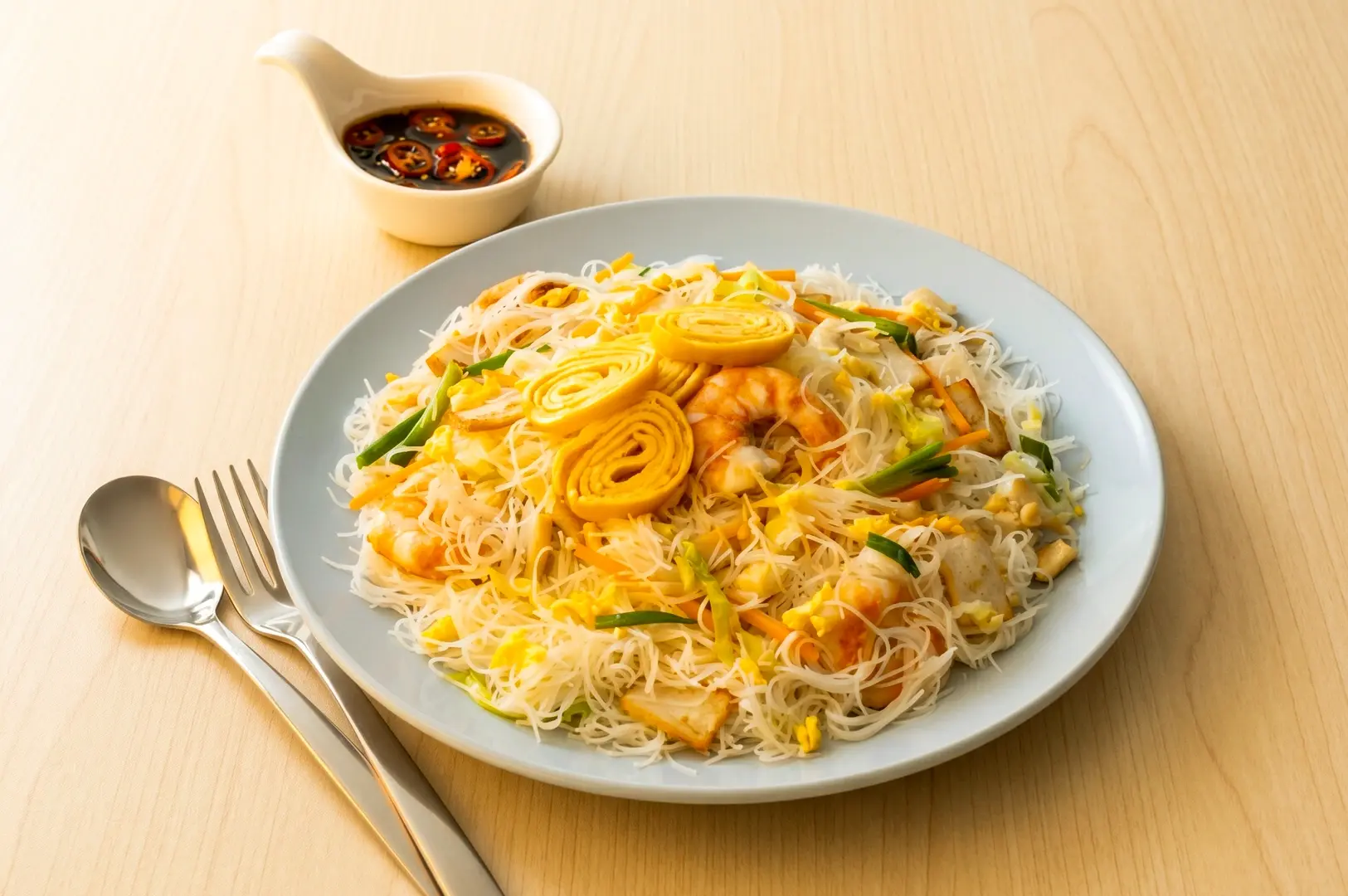
Bee hoon, a type of rice noodles, served simply in minimalist bowls with a focus on color contrast, has become a quiet staple in Singapore’s aesthetic food scene.
Makanan Singapura captures this well, presenting bee hoon against the backdrop of Singapore’s hawker culture in a way that feels honest rather than performed.
From hawker classics to photogenic plates, you might also want to check out our roundup of best brunch spots in Singapore for your next foodie photo op.
Common Questions & Concerns
Do Instagrammable Restaurants Compromise on Taste?
Not necessarily. While some Instagram worthy restaurants Singapore focus heavily on aesthetics, many prioritize delivering authentic flavors alongside visual appeal.
Look for spots that maintain consistent quality and offer signature dishes like fried chicken, pork belly, or oyster omelette that showcase genuine culinary skill.
Are Trendy Restaurants Overpriced?
Pricing varies widely. Casual Instagrammable cafés typically cost SGD 12 to 25 per person, mid-range trendy restaurants range from SGD 25 to 60, and premium dining experiences can reach SGD 200 or more per person.
Many hawker centres like Maxwell Food Centre offer affordable yet Instagram-worthy dishes such as chicken rice, yong tau foo, and fried tofu, providing great value without sacrificing taste or presentation. Always check menus and consider the dining experience offered before deciding.
How Can I Spot Authentic Flavors in Aesthetic Eateries?
Look for fresh, high-quality ingredients such as basmati rice or glutinous rice in signature dishes, and balanced use of spices and condiments like sambal stingray or black pepper crabs.
A good Instagram worthy restaurant will highlight traditional zi char dishes or roast pork with a modern twist without overwhelming the palate.
Will I Spend More Time Taking Photos Than Enjoying the Food?
That depends on your approach. To fully enjoy the dining experience, prioritize taste first and capture photos second. Many Instagram worthy restaurants Singapore encourage this balance by serving beautifully plated dishes like beef rendang or deep fried specialties that look stunning yet are meant to be savored immediately. This way, you get to appreciate both the visual and culinary delights without compromise.
Taste and Beauty Can Coexist
You don’t have to choose between Instagram-worthy aesthetics and authentic flavors. Singapore’s vibrant food scene offers numerous Instagram worthy restaurants in Singapore that excel in presenting visually stunning dishes without compromising on quality or authenticity.
Whether you’re after tofu stuffed specialties, char siu delights, or a cozy wine bar ambiance, the city has something for every food lover and content creator alike. So step out, explore these gems, and enjoy dishes that are as delightful to the palate as they are to the camera, just remember to savor the moment before reaching for your phone.