
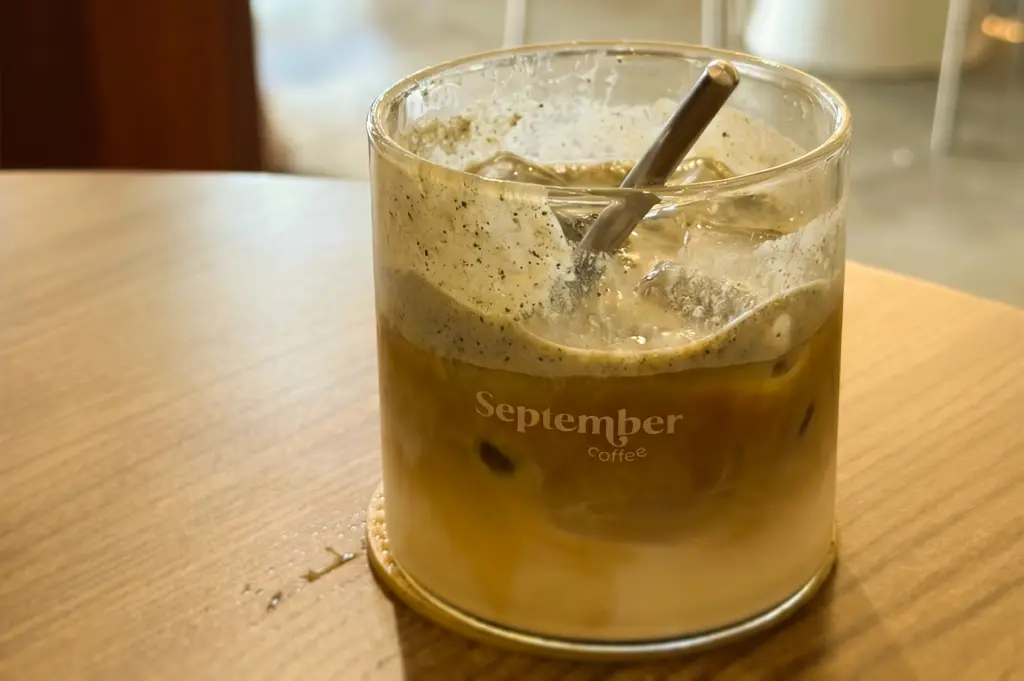
I sat at a polished concrete table at September Coffee in Chinatown. My iced black sesame latte looked exactly like the photos I saw online. The dark grey foam swirled flawlessly into the milk. I took a sip. It was genuinely good. But as I looked around the room, I felt completely disconnected from the experience.
The space was undeniably beautiful. Soft natural light fell perfectly across the tables. Yet, the room carried a strange and sterile tension. Everyone around me was busy adjusting their plates, moving their cups into the sunlight, and checking their screens. There was no gentle hum of conversation. The cafe felt less like a place to eat and more like a photography studio.
We flock to these viral spaces because the internet tells us they matter. We stand in line for an hour to prove we are part of the current cultural moment. But when a restaurant is built primarily for a screen, it loses its soul. The furniture is chosen for how it photographs, not how comfortable it feels. The menu is designed to shock or impress, rather than to comfort the diner. The entire transaction is about extracting an image instead of enjoying a meal.
This reveals something exhausting about how we live right now. We treat our free time as an opportunity to generate relevance. We mistake being in a popular room for actually experiencing joy. When you sit in a space designed entirely for visual consumption, you realize how much of your life is performed for an invisible audience. You are not really resting. You are working to maintain a digital persona. The food simply becomes a prop.
Eating should be a pause in your day. It should be a moment where you can drop your shoulders, clear your mind, and just exist in a physical space.
I looked at the remaining half of my latte. The sesame and milk had separated into murky layers. I did not feel like finishing it. I picked up my bag and walked out into the hot afternoon air, quietly hoping to find a place that was just a cafe.