
There are many food places in Singapore where we know the dish before we know the person behind it.
We remember the name of the stall. We remember what to order. We remember how long the queue usually gets. But we rarely think about the person who has been preparing that same dish every morning before most of us start our day.
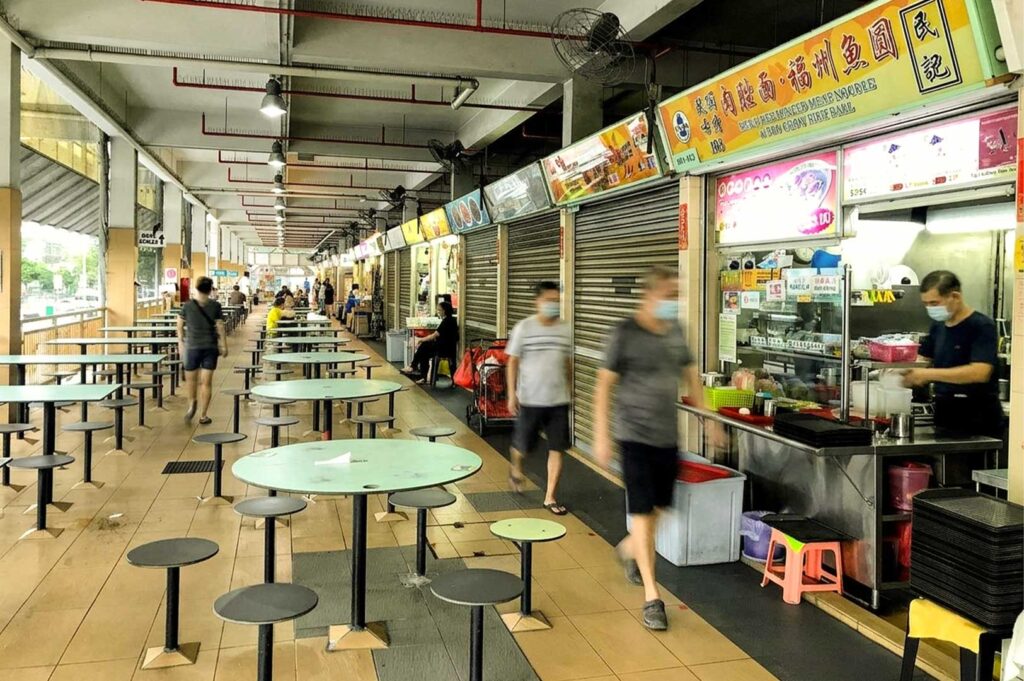
That thought usually comes to me when I visit hawker centres early in the morning. The atmosphere feels different before the lunch crowd arrives. The shutters are half-open, ingredients are being prepared, and familiar routines are already happening quietly.
For many food operators, feeding people is not a temporary passion or a trend. It is simply what they have done for years.
Singapore’s food culture is built on these everyday moments. Not every person behind a stall is trying to create the next famous dish. Some are simply continuing a recipe they learned from their parents. Some are maintaining a standard they have spent decades building. Some are showing up because people in their neighbourhood still depend on them.
I think about this whenever I visit places like Nam Sing Hokkien Fried Mee at Old Airport Road Food Centre, where their Hokkien mee has been served to generations of diners who return for its familiar taste. Beyond the noodles on the plate, there is a story of consistency, repetition, and the people who continue preparing the dish year after year.
As someone who shares food experiences, I often think about what gets captured and what gets missed. A photo can show the final dish. A review can describe the flavours. But it is harder to capture the years behind that moment.
The early mornings. The repetition. The relationships built with regular customers who return not just because the food tastes good, but because the place feels familiar.
This is why I believe food stories should include the people behind them. Without them, we risk seeing our dining culture as a collection of dishes rather than a collection of lives.
Many of the people who feed Singapore do not ask to be remembered, such as Jun Yuan House of Fish that has thrived for years in this centre and even expanded to the East. They are not always looking for attention or recognition. They are simply doing what they have always done, one meal at a time.
Perhaps that is why their contributions are easy to overlook. The things that become part of our everyday lives often become the things we notice the least.
But every meal we take for granted has someone behind it.
And sometimes, remembering the person who made our food possible is just as important as remembering the food itself.